
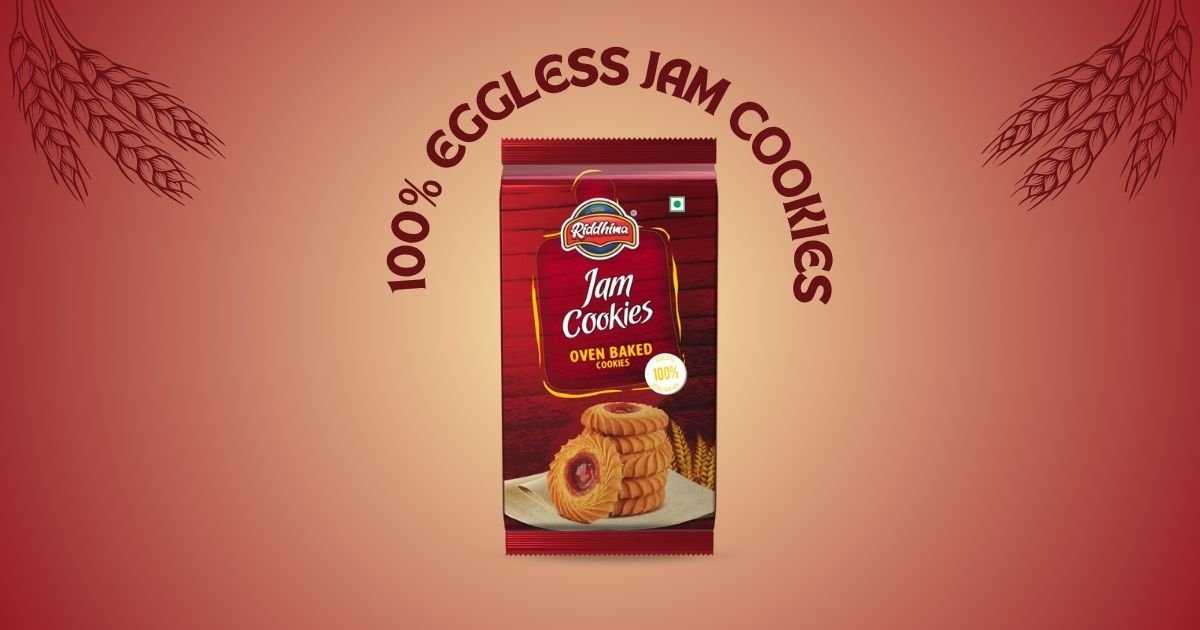
Why eggs matter in traditional baking formulation
Eggs traditionally provide a binding structure holding ingredients together, moisture contributing to texture, and a leavening contribution supporting the finished product’s rise and crumb structure, functions that eggless formulations need to replace deliberately. Riddhima Foods
Alternative binding approaches in quality eggless recipes
Skilled eggless bakers use alternative binding ingredients, adjusted flour ratios, specific fat content, and other techniques to achieve the structural cohesion eggs would otherwise provide, a genuine formulation skill.
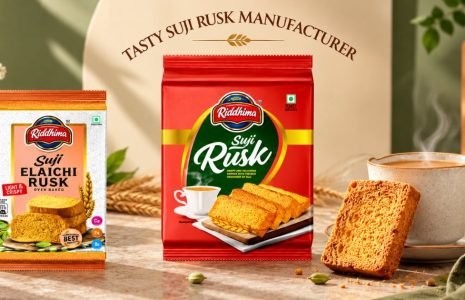
Achieving the characteristic rusk crunch without eggs
Rusk’s signature dry, crisp texture, achieved through a specific double-baking process, actually suits eggless formulation reasonably well, since this texture depends more on baking technique and moisture removal than on egg content specifically. Riddhima Foods
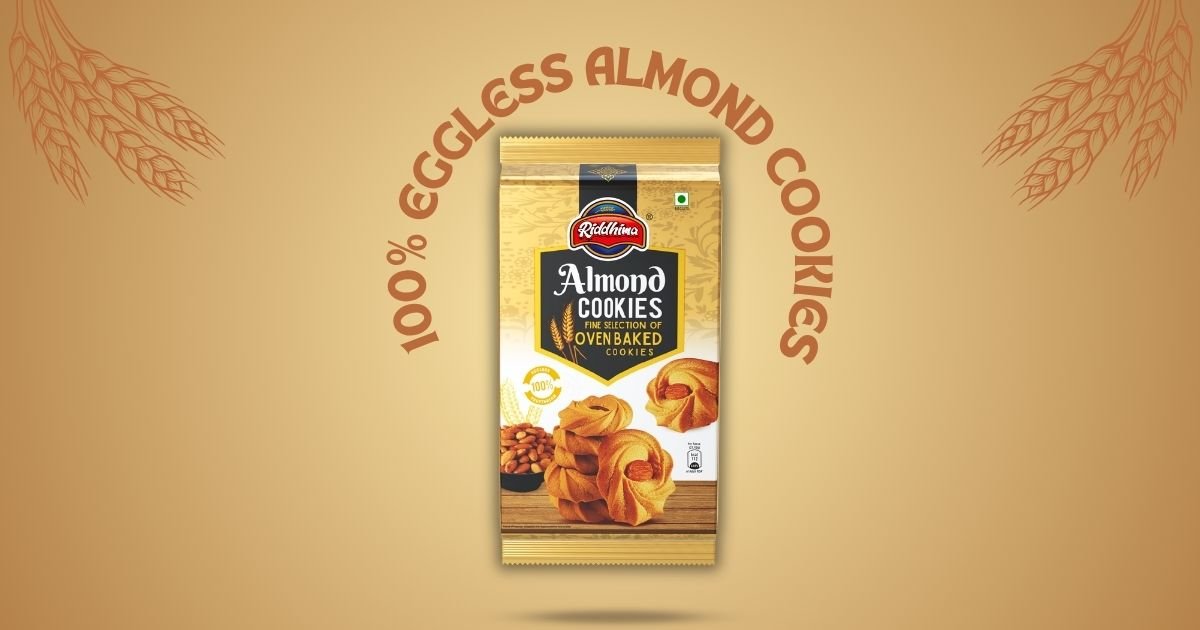
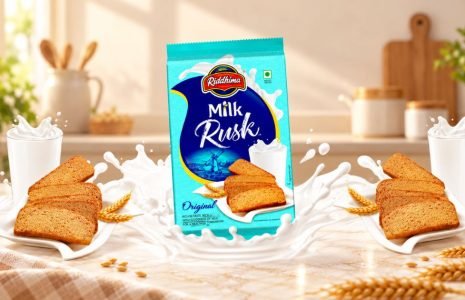
Why milk content plays a particularly important role
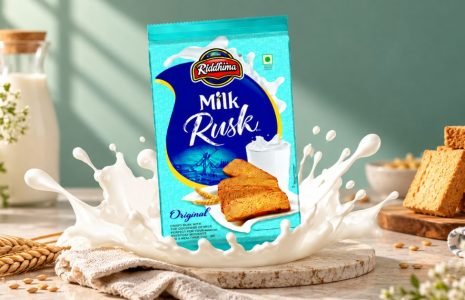
For milk rusk specifically, discussed further elsewhere, milk’s own binding and richness properties help compensate for the absence of egg, making milk content formulation particularly important for achieving genuine quality in this specific product. Riddhima Foods
How flavor development differs in eggless formulation
Since eggs also contribute subtle flavor richness, eggless recipes need thoughtful flavor development through other ingredients, quality butter or oil, appropriate sweetness balance, to achieve genuinely satisfying taste without this traditional component.
Why consistency across batches requires genuine formulation discipline
Achieving consistent eggless rusk quality batch after batch requires disciplined, precise formulation and process control, since eggless baking can be somewhat less forgiving of ingredient or process variation than traditional egg-based recipes. Riddhima Foods

 LICENSE NUMBER: 12721056000150