
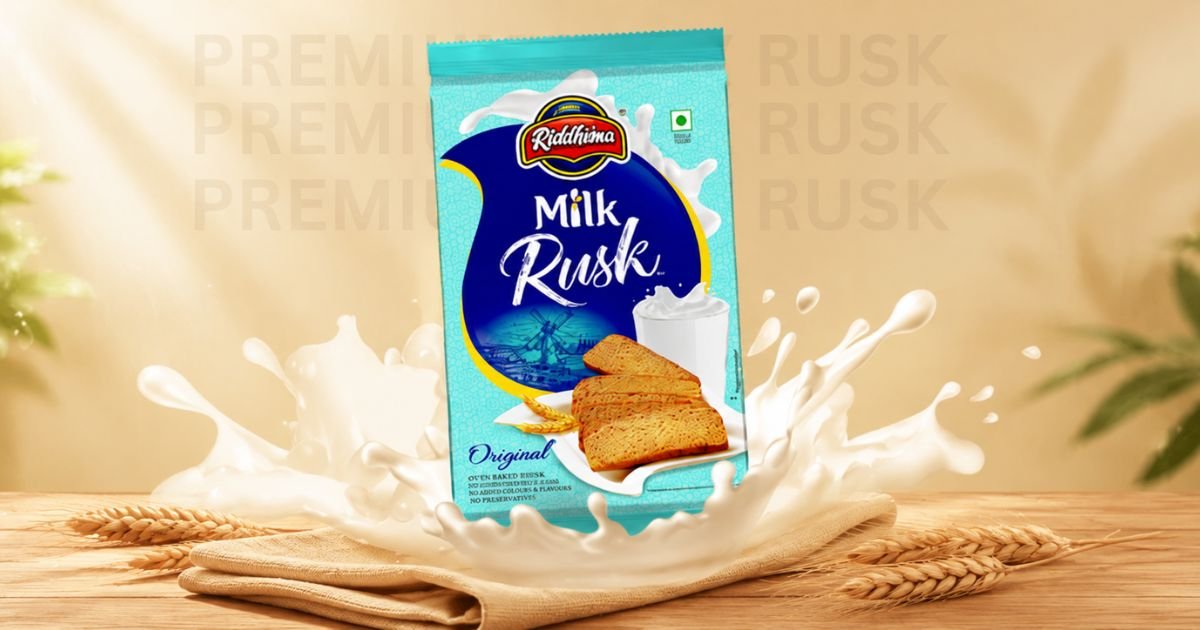
The first bake, developing the base structure
The initial baking stage produces a bread-like base structure, similar in principle to a standard bread loaf, establishing the fundamental crumb and structure the finished milk rusk will retain in modified form. Riddhima Foods
Slicing between the two baking stages
After the initial bake and cooling, the loaf gets sliced into individual pieces, a preparatory step that shapes the final individual rusk pieces before they undergo the second, defining baking stage.
The second bake, achieving genuine dryness and crispness
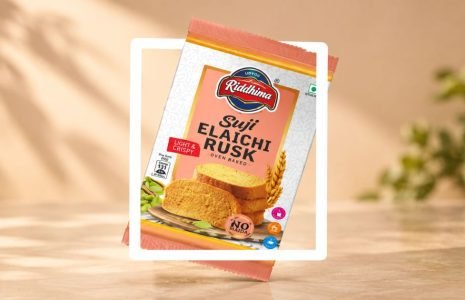
The second, typically lower-temperature bake slowly dries the sliced pieces, driving out moisture and developing the characteristic crisp, crunchy texture that distinguishes rusk from standard bread entirely. Riddhima Foods
Why timing and temperature control genuinely matter here
Achieving the ideal crispness without over-drying into an unpleasantly hard or burnt result requires precise timing and temperature control during this second baking stage, a genuine technical skill worth appreciating. Riddhima Foods
How this process affects both flavor and texture simultaneously
The extended second bake also contributes to flavor development through gentle toasting and caramelization, meaning this process affects both the characteristic texture and genuine flavor depth simultaneously.
Why milk content specifically interacts with this double-bake process
For milk rusk specifically, discussed elsewhere, the milk content’s own properties interact with this double-baking process in ways that support achieving both genuine richness and the proper characteristic crispness together. Riddhima Foods

 LICENSE NUMBER: 12721056000150