
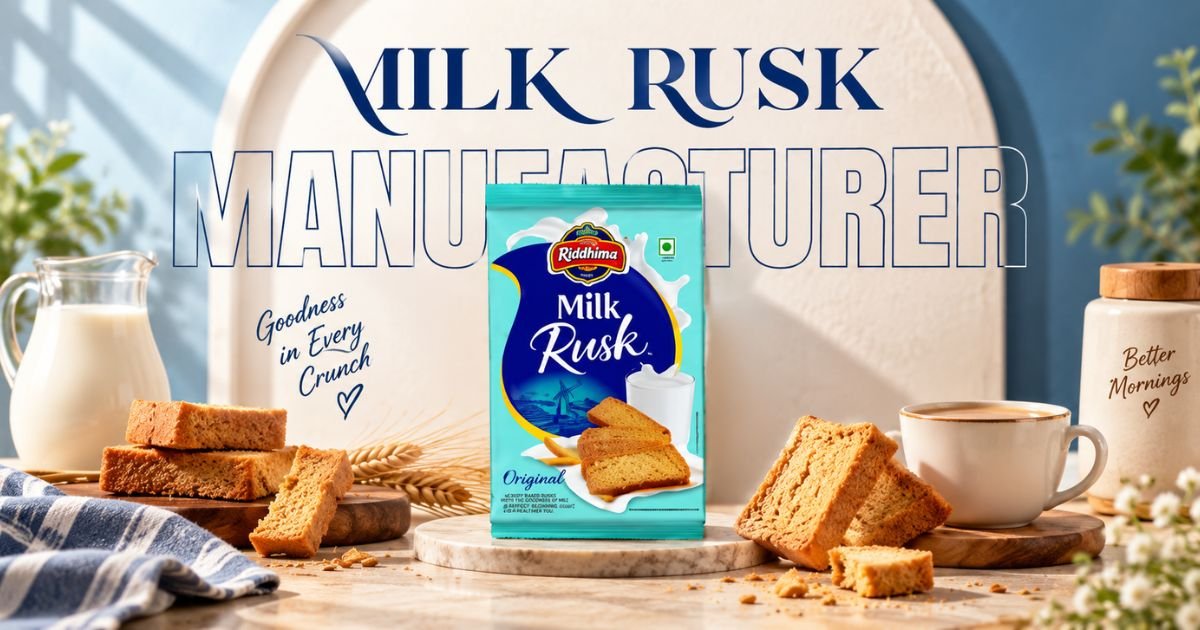
Rusk has a reputation for lasting forever. It sits in the steel dabba for weeks, survives train journeys, and outlasts every other snack in the house. So it is fair to wonder whether it actually expires at all.
It does. Just slowly, and in ways that are easy to miss if you do not know what to look for.
Why rusk lasts so long in the first place
Mould and bacteria need water to grow. Rusk is baked twice precisely to drive the water out. Fresh bread might be more than a third water, while a well-made rusk is left with only a small fraction of that. With so little moisture, spoilage organisms struggle to take hold.
That is the whole reason rusk became the travel snack of Indian railways and the standby in every grandparent’s kitchen.
What the date on the pack actually means
Packaged rusk carries a best-before date rather than a hard “use by” date. Best before means the manufacturer guarantees the taste and texture until then, provided the pack is stored as directed and stays sealed.
Look for the manufacturing date too. The fresher the pack when you buy it, the longer you have to enjoy it at its best. If you are standing in a shop choosing between two packs, take the newer one.
Once you open the pack, the clock speeds up. Air brings in humidity, and the printed date no longer tells the full story.
The three ways rusk goes off
It goes soft. This is the most common change. Rusk pulls moisture from the air, especially in the monsoon, and loses its snap. Soft rusk is not necessarily unsafe, just disappointing.
It goes rancid. Rusk contains fat, and fat slowly oxidises over time, particularly when exposed to heat and light. The giveaway is a stale, paint-like or bitter smell when you open the container. Rancid rusk should go in the bin.
It grows mould. This is rare, but it happens when rusk gets properly damp, say from a wet spoon in the dabba or a leaking roof. Any green, white or black fuzzy spots mean the whole batch is done.
Storing rusk in a real Indian kitchen
Move it into an airtight steel or glass container as soon as you open the pack. Folding the wrapper over is not enough.
Keep the container away from the gas stove, away from the kettle’s steam and out of direct sunlight. A cupboard on the side of the kitchen that stays coolest is ideal.
Use a dry hand or a dry spoon. A damp hand reaching in after washing the cups is how many batches go soft.
In the monsoon, buy smaller packs more often rather than one large pack that will sit open for weeks.

Reviving rusk that has gone slightly soft
If rusk has lost its crunch but smells and looks fine, you can bring it back. Spread pieces on a dry tawa on low heat for a few minutes, turning once, or put them in a warm oven briefly. Let them cool completely before storing again. This only works for softness. It will not fix a rancid smell.
For shopkeepers stocking rusk
Rusk sells steadily, which makes it easy to forget about stock rotation. Put newer cartons behind older ones on the shelf, check dates every week, and keep the storage area dry. During the rains, order smaller quantities more often instead of one large consignment. A customer who opens a soft or stale pack rarely blames the weather. They blame the shop and the brand.
Buy fresh to store longer
The single best way to make rusk last is to start with a fresh pack. Check the manufacturing date, choose the newest stock on the shelf, and buy from a brand that bakes locally and moves stock quickly. Everything else on this list just protects that freshness.
When in doubt, trust your nose
Look at it, smell it, and if anything seems off, do not risk it. Rusk is too cheap to gamble a stomach ache on.
Also read
Order from Riddhima Foods
For fresh, crisp rusk with every pack, order Riddhima Foods suji elaichi rusk and milk rusk at riddhimafoods.com or call +91 95203 95033. Questions about a pack or its dates? Write to care@riddhimafoods.com.




 LICENSE NUMBER: 12721056000150